
Common Misconceptions About Metal Stamping Recruitment


Understanding Metal Stamping Recruitment
Metal stamping is a fascinating industry that plays a crucial role in manufacturing. However, recruiting for this sector can be challenging due to several misconceptions. These misunderstandings can deter skilled workers from considering a career in metal stamping. By dispelling these myths, we can open the door for more talent to enter this essential field.
Misconception 1: Metal Stamping Jobs Are Low-Skill
One of the most common misconceptions is that metal stamping roles require little skill. In reality, the industry depends on highly skilled professionals who can operate complex machinery and understand intricate design specifications. Job roles often involve tasks such as die setting, quality inspection, and CNC programming, which demand a high level of expertise and precision.
The Need for Skilled Workers
The demand for skilled labor in metal stamping is significant. Companies are seeking individuals with technical skills and problem-solving abilities. Training and apprenticeships often play a crucial role in preparing workers for these positions, highlighting the need for continuous learning and development in the field.

Misconception 2: The Work Environment Is Unsafe
Another myth is that metal stamping facilities are inherently unsafe. While any industrial environment carries risks, modern metal stamping plants prioritize safety. They are equipped with state-of-the-art machinery and follow strict safety protocols to protect workers. Employers invest heavily in safety training to ensure that employees understand how to operate equipment safely.
Safety Measures in Place
Common safety measures include the use of personal protective equipment (PPE), regular maintenance of machinery, and comprehensive safety audits. Additionally, many companies foster a culture of safety, encouraging employees to report hazards and participate in safety training sessions.

Misconception 3: Limited Career Growth Opportunities
Some believe that metal stamping offers limited career advancement. However, the industry provides numerous pathways for growth. From entry-level positions to management roles, there are opportunities for advancement based on skills and experience. Many companies offer training programs and mentorship to help employees climb the career ladder.
Opportunities for Advancement
Employees can advance to roles such as production supervisor, quality control manager, or even plant manager. The diverse nature of the work also allows individuals to specialize in areas like tool and die making or product development, offering further career progression.
Misconception 4: It's All About Manual Labor
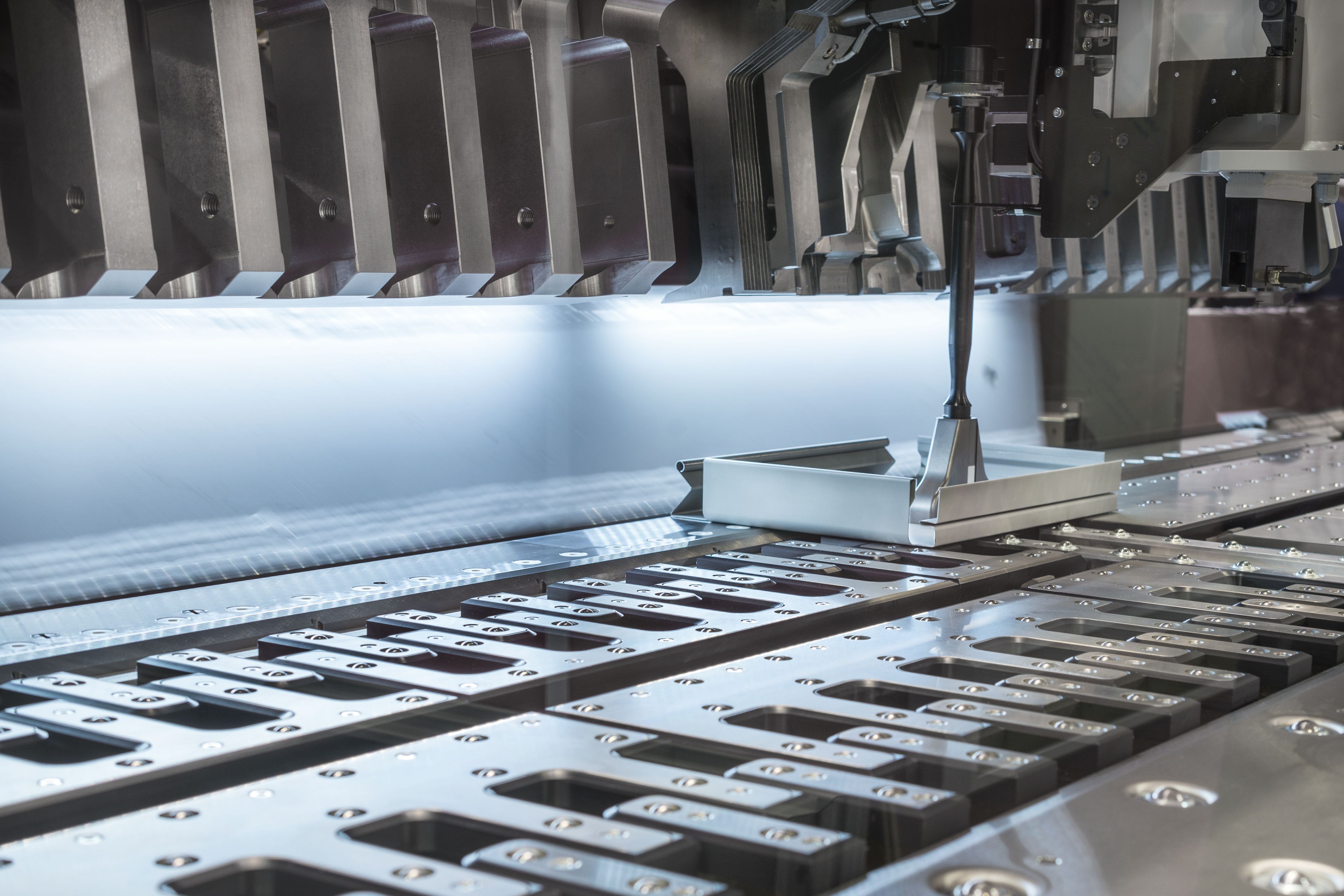
While manual labor is a component, modern metal stamping involves much more than that. The integration of technology has revolutionized the industry. Automation, robotics, and computer-aided design (CAD) have minimized manual interventions, leading to more efficient and precise production processes.
The Role of Technology
Technology has created new roles focused on programming, machine operation, and maintenance. Workers with tech-savvy skills are in high demand, as they are crucial for optimizing production and maintaining the sophisticated machinery used in metal stamping.
Understanding these common misconceptions can help potential employees see the true value and opportunities within the metal stamping industry. It is a field that offers rewarding careers, continuous learning, and the chance to work with cutting-edge technology.