Comparing Metal Stamping and Die Casting Recruitment: Which is Right for Your Business?


In today's competitive manufacturing landscape, finding the right talent is crucial for success. Two of the key areas where businesses often seek skilled professionals are metal stamping and die casting. Each field requires a unique set of skills and expertise, making the recruitment process a vital step in building a strong team. But how do you decide which is right for your business?
Understanding Metal Stamping Recruitment
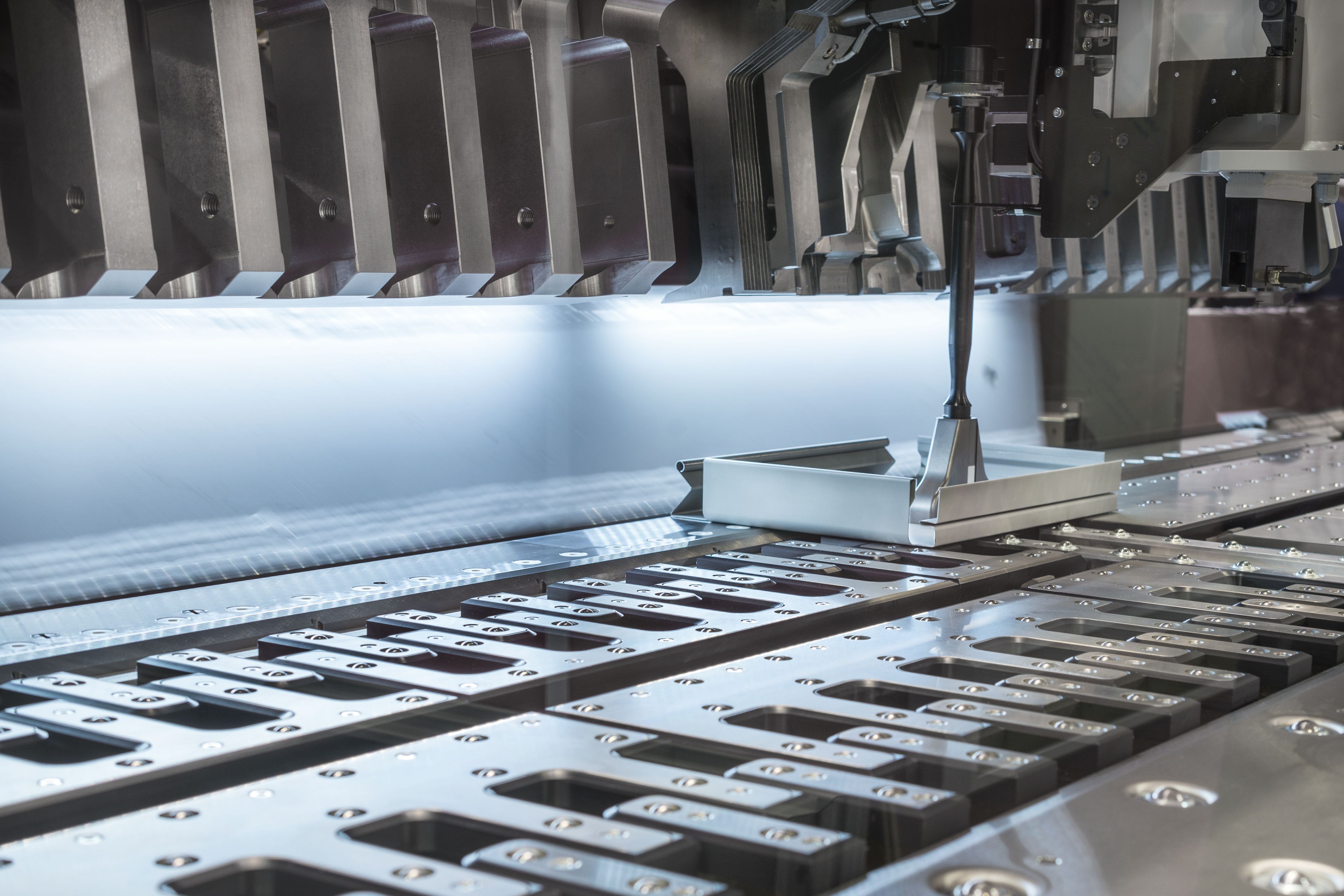
Metal stamping involves transforming flat metal sheets into specific shapes through a series of processes such as punching, bending, and piercing. Recruitment in this area focuses on finding individuals with experience in operating stamping presses and familiarity with various metals and techniques. Candidates often need to have a keen eye for detail and a strong understanding of safety protocols.
When recruiting for metal stamping, businesses should look for candidates with a background in mechanical engineering or a related field. Certifications in metalworking and experience with CAD software can also be advantageous. Additionally, candidates who demonstrate problem-solving skills and the ability to work under pressure will be valuable assets.
Key Skills for Metal Stamping Professionals
Successful metal stamping professionals typically possess the following skills:
- Technical proficiency: Understanding of stamping machinery and tools.
- Attention to detail: Ability to ensure precision in measurements and cuts.
- Safety awareness: Knowledge of safety standards and practices in a manufacturing environment.
Exploring Die Casting Recruitment
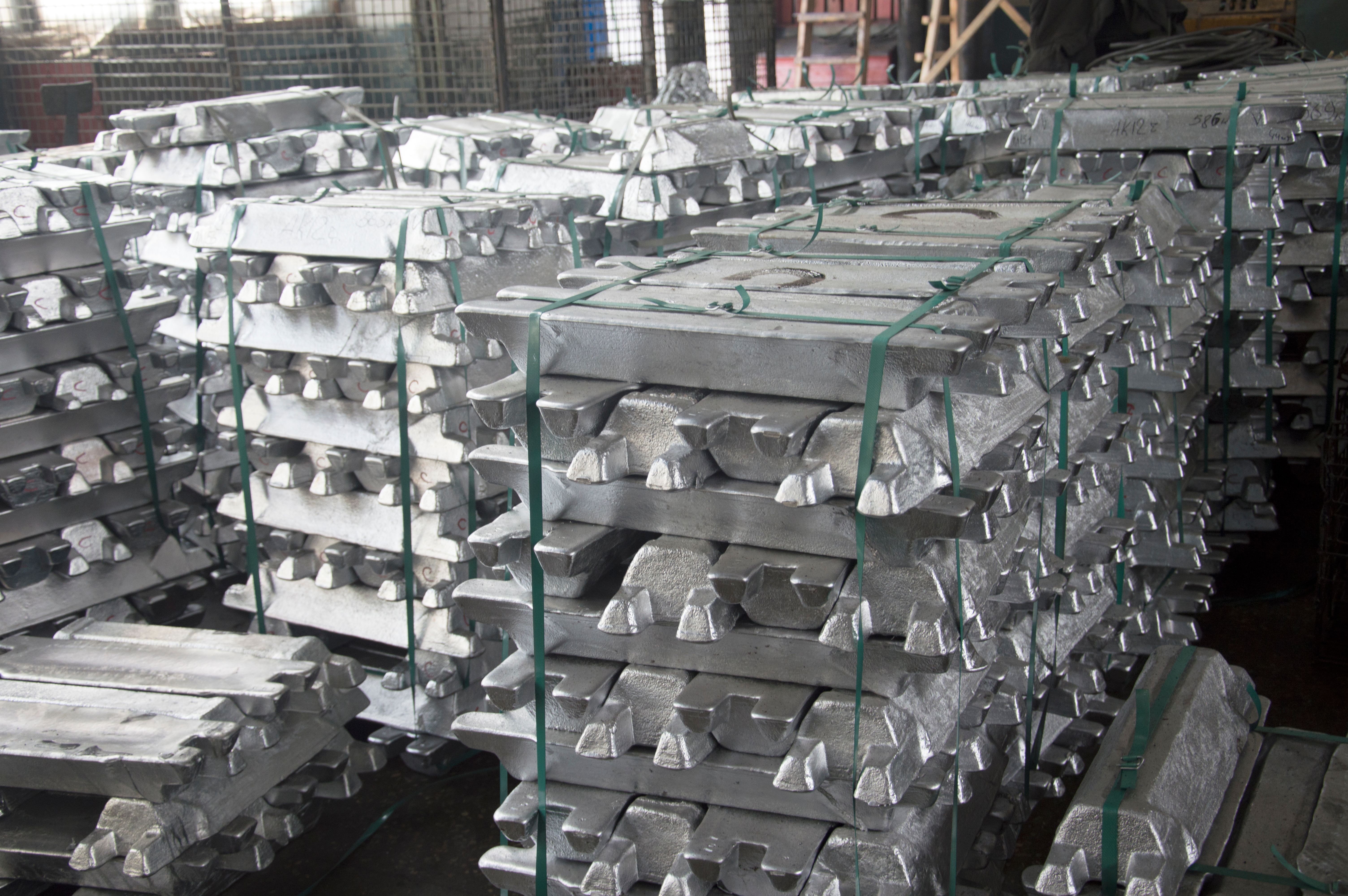
Die casting is a manufacturing process involving the injection of molten metal into a mold to produce complex shapes. Recruitment in this sector requires a focus on candidates with expertise in metallurgy, mold design, and machine operation. This field often demands a blend of creativity and technical skill to design and produce high-quality castings.
When recruiting for die casting, it's essential to seek individuals with experience in CNC machining and an understanding of different alloys. A background in industrial design or materials science can be beneficial, as is experience with project management and quality assurance techniques.
Essential Skills for Die Casting Professionals
Die casting professionals should ideally possess the following skills:
- Mold design expertise: Ability to create and modify molds to meet specifications.
- Material knowledge: Understanding the properties of various metals and alloys.
- Quality control: Ensuring the final products meet industry standards and client expectations.
Comparing the Two Recruitment Processes
While both metal stamping and die casting require technical expertise, the skills and experiences sought in candidates can differ significantly. Metal stamping tends to favor individuals with mechanical aptitude and precision, whereas die casting often requires creative problem-solving and a deep understanding of materials.
Both fields demand a commitment to safety and quality, but the specific techniques and tools used can vary widely. Understanding the nuances of each process will help businesses tailor their recruitment strategy to attract the right talent.

Making the Right Choice for Your Business
The decision between focusing on metal stamping or die casting recruitment ultimately depends on your business's specific needs and goals. Consider the nature of your projects, the complexity of the parts you produce, and the expertise required to meet your production demands.
If your projects involve intricate designs and diverse materials, die casting might be the right choice. On the other hand, if precision and high-volume production are your priorities, metal stamping could be more suitable. Understanding these differences will guide you in building a team that aligns with your strategic objectives.