Local Insights: How Michigan's Regulations Affect Foundry Recruitment


Understanding Michigan's Foundry Regulations
Michigan's foundry industry is a cornerstone of the state's manufacturing sector. However, navigating the regulatory landscape can pose challenges for recruitment. Understanding the specific regulations and their impact on hiring practices is essential for foundries looking to attract top talent.
Environmental Regulations
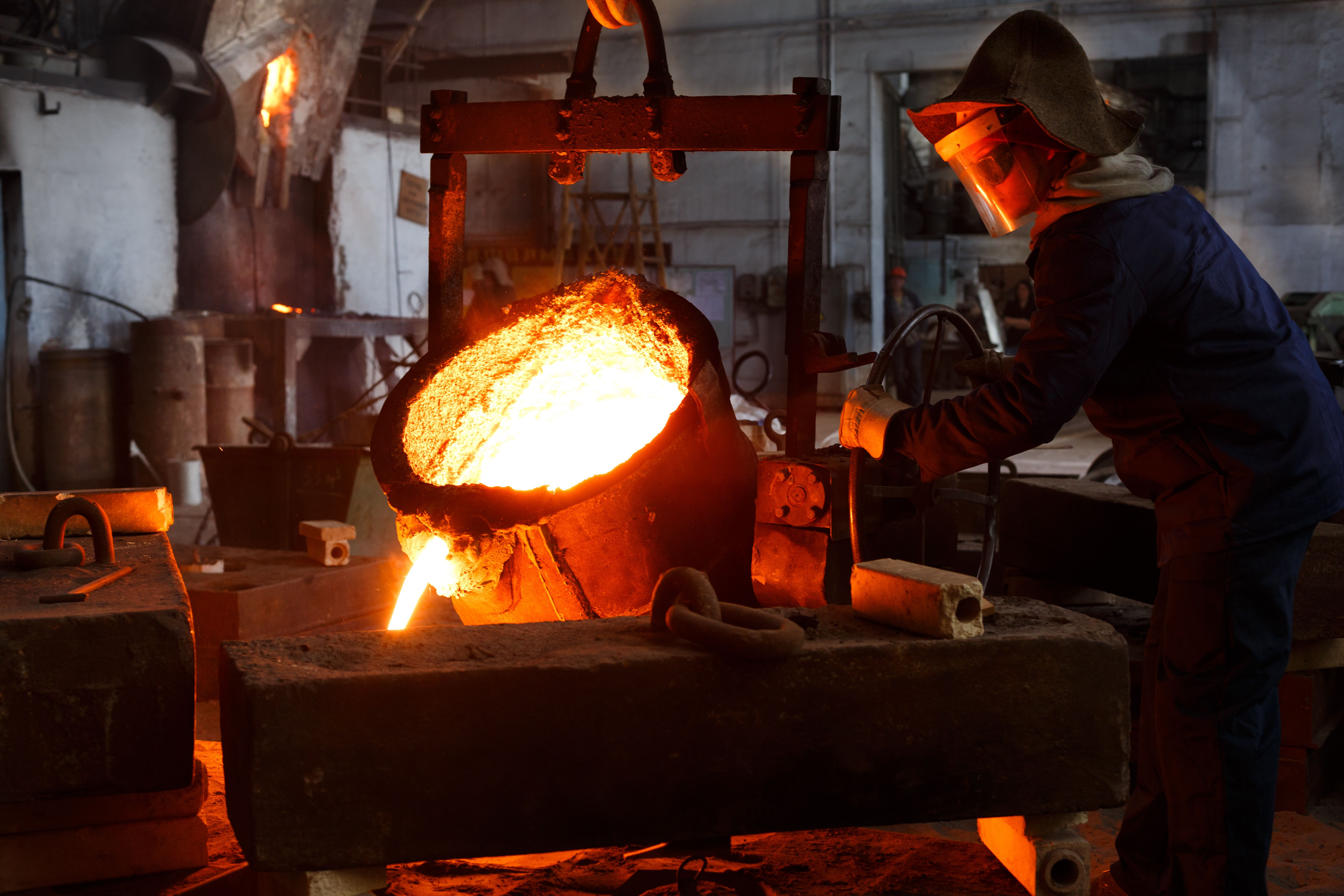
Environmental regulations in Michigan are stringent, aimed at reducing emissions and ensuring sustainable practices. Foundries must comply with these regulations, which can impact the types of positions available and the skills required. Companies often seek candidates with expertise in environmental compliance to help them meet these standards.
Recruitment efforts may need to focus on individuals who are not only skilled in foundry work but also knowledgeable about environmental laws. This dual expertise can be a valuable asset in ensuring both operational efficiency and regulatory compliance.
Labor and Safety Standards
Michigan has robust labor and safety standards that foundries must adhere to, impacting recruitment strategies. These standards ensure worker safety and fair labor practices, but they also necessitate thorough training and certification for employees.

Training and Certification
Prospective employees often need specialized training and certifications, which can limit the pool of available candidates. Foundries may need to invest in training programs to develop their workforce, ensuring that employees meet safety and operational standards.
By highlighting opportunities for professional development, foundries can attract candidates who are eager to advance their skills and careers within the industry.
Economic Incentives and Challenges
Michigan offers various economic incentives to support the foundry industry, such as tax breaks and grants. These incentives can make the sector more appealing to job seekers, as they often translate into better compensation packages and job stability.

Balancing Costs and Benefits
However, the costs associated with compliance and training can be significant. Foundries must balance these expenses with the benefits of attracting skilled labor. Effective recruitment strategies often emphasize the long-term career potential and stability offered by the industry.
By leveraging economic incentives and focusing on professional growth, foundries can enhance their appeal to prospective employees, ensuring a steady influx of talent.
Conclusion
Michigan's regulations significantly impact foundry recruitment, requiring a strategic approach to hiring. By understanding and addressing these regulatory challenges, foundries can successfully attract and retain skilled workers, securing a competitive edge in the industry.