
Seasonal Trends in Auto Parts Manufacturing Staffing


The auto parts manufacturing industry is a dynamic sector that experiences various seasonal trends, especially in staffing. Understanding these trends can help businesses better prepare for fluctuations in demand and optimize their workforce to meet production targets.
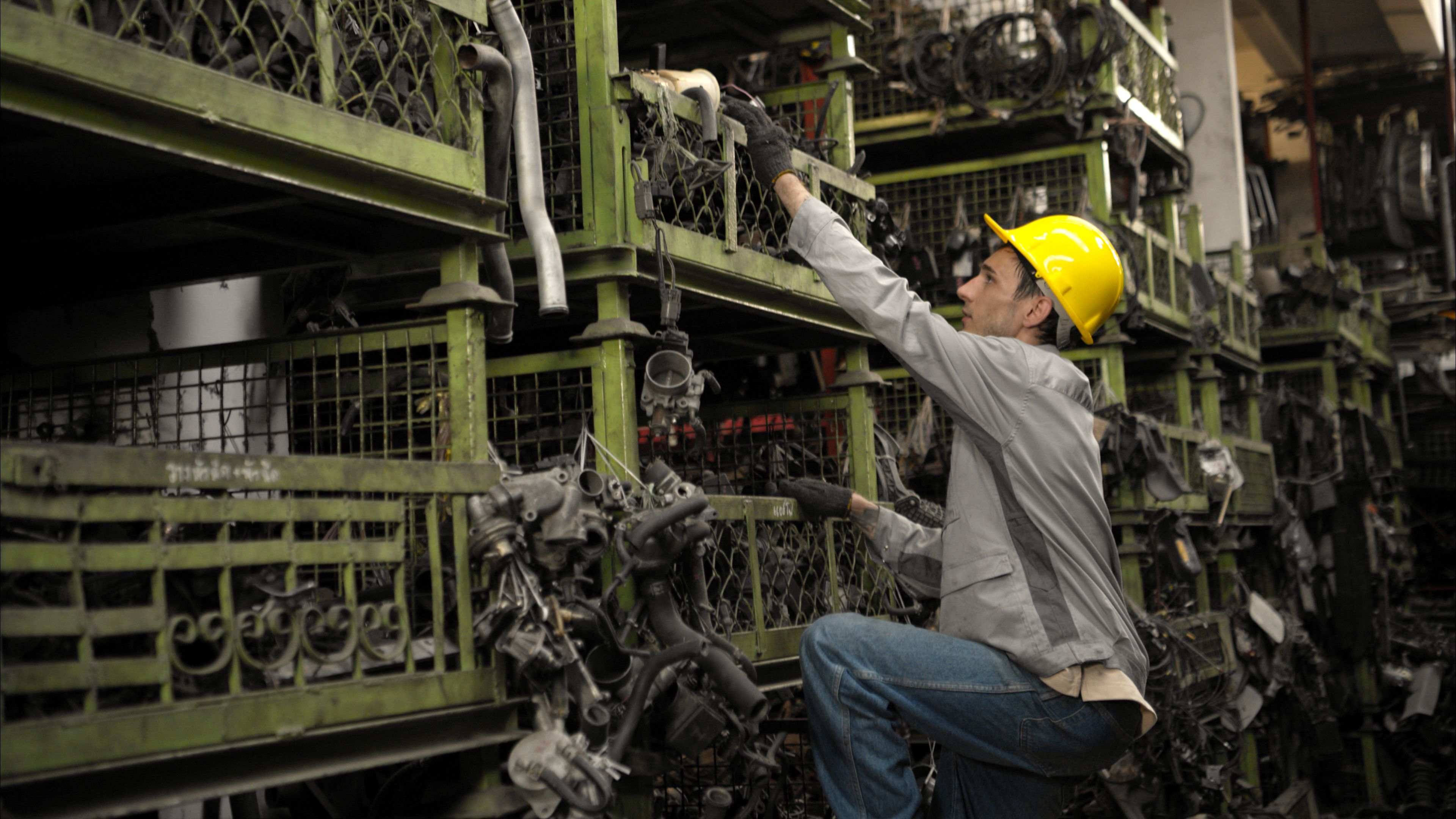
Understanding Seasonal Demand
Demand for auto parts often correlates with the broader automotive industry's cycles. For instance, the release of new car models, typically in the fall, can spur increased demand for specific parts. This uptick requires manufacturers to adjust their staffing levels accordingly, ensuring they have enough skilled workers to meet increased production needs.
Similarly, certain seasons may see heightened demand for replacement parts. Winter, for example, often brings an increase in the need for batteries and tires, prompting manufacturers to ramp up production and staffing during this period.
Flexibility in Workforce Management
Given these fluctuations, having a flexible workforce is crucial. Many manufacturers employ temporary or seasonal workers to manage peak periods efficiently. This strategy allows businesses to scale their operations without the long-term commitment of permanent hires.

Additionally, cross-training employees can provide a buffer against sudden changes in demand. Employees who can perform multiple roles are invaluable during transitional periods, ensuring that production lines remain efficient and responsive to market needs.
Technological Advancements
Technology plays a significant role in managing seasonal staffing trends. Automated systems can forecast demand more accurately, enabling manufacturers to plan staffing needs with greater precision. This not only reduces costs but also minimizes the risk of overstaffing or understaffing.
Furthermore, digital platforms can streamline the hiring process, making it easier to onboard temporary workers quickly. This efficiency is vital during peak production periods when time is of the essence.

Challenges and Solutions
Despite these strategies, challenges remain. Balancing the need for skilled labor with budget constraints can be tricky. However, investing in training programs and developing a pool of reliable temporary workers can mitigate these issues.
Moreover, fostering a positive work environment can help retain skilled workers, reducing the turnover rate and ensuring that experienced staff are available during busy periods.
Future Outlook
Looking ahead, the auto parts manufacturing industry will continue to evolve, with staffing strategies adapting to new trends and technologies. As electric vehicles gain popularity, for example, the demand for specific parts may shift, requiring manufacturers to adjust their workforce strategies accordingly.
By staying attuned to these trends, manufacturers can ensure they remain competitive, efficient, and ready to meet the ever-changing demands of the automotive industry.